Human Beta Amyloid 1-40 antibody pair (ARA988/ARA954)
 Datasheet
Key features and details
Mouse Monoclonal Antibody Pair to Beta Amyloid 1-40
- Target:
- Source/Host:
- Clonality:
- Applications:
- Storage:
- Species Cross-reactivity:
-
Brand:

CAT.NO. : ARA6890
US$ Please choose
US$ Please choose
Size:
Trail, Bulk size or Custom requests Please contact us
 Product Details
Background
Amyloid-beta (1-40), abbreviated as Aβ(1-40), is a 40-residue peptide derived from the amyloid precursor protein (APP) and is involved in the pathogenesis of Alzheimer's disease (AD). It is one of the two main C-terminal variants of the amyloid-beta peptide, along with Aβ(1-42). Both Aβ(1-40) and Aβ(1-42) form aggregates and deposits in the AD brain, contributing to the formation of senile plaques. Unaggregated soluble Aβ(1-40) can also exhibit toxic effects and influence behavior and memory. Additionally, Aβ(1-40) has been shown to interact with synaptic structures such as postsynaptic density-95 (PSD-95), leading to its degradation and affecting synaptic function.
Application
The Beta Amyloid 1-40 Matched Antibody Pair is expertly designed for immunoassay technologies and high-throughput ELISA platforms that require specifically labeled antibody pairs. These pairs can be customized with a variety of labels such as fluorophores, biotin, and beads. Compatible technologies include MSD, Luminex, Quanterix Simoa, Alpha Technology etc.*Results are sample-specific. Please refer to your local assay conditions and test parameters for reference.
Overview
Specificity | Beta Amyloid 1-40 |
Reactivity | Human |
Protein Standard | Human beta Amyloid 1-40 polypeptide |
Target Antigen | Protein name: amyloid beta precursor proteinGene name: APPOrganism: Homo sapiens (Human) |
Cross Reactivity | Not Tested |
*Clone Number, Reactivity, Source/Host and Clonality can be found in the product name and Key Features section above.
Data
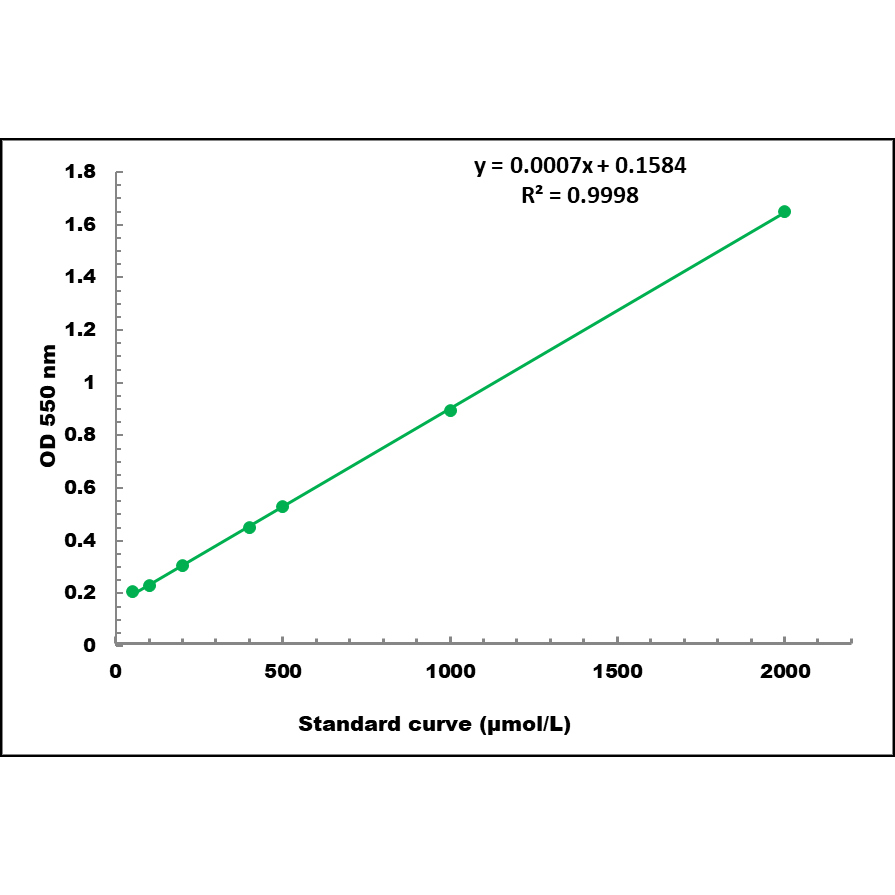
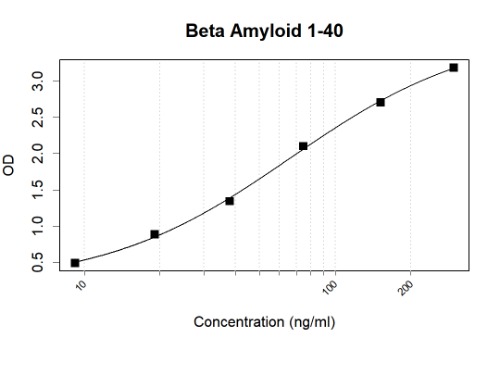
Sandwich ELISAMicrotiter wells were coated with ARA6886 at 3 µg/mL as the capture antibody. Recommbinant Beta Amyloid 1-40 protein (ARA6616) was used as the antigen. 1 µg/mL Beta Amyloid Antibody ARA6798 was used as the detection antibody.Result: ARA6886 and ARA6798 can be used as a matched antibody pair to detect and quantify the concentration of Human Beta Amyloid 1-40 with high specificity.
Component
| Products include | Catalog No. | Isotype | Quantity | Form |
|---|---|---|---|---|
| Beta Amyloid 1-40 Antibody (ARA6886) | ARA988 | Mouse IgG1 | 100μg | Liquid |
| Beta Amyloid Antibody (ARA6798) | ARA954 | Mouse IgG2a | 100μg | Liquid |
| Human beta Amyloid 1-40 polypeptide | AXP6616 | / | 20μg | Liquid |
Storage
Store at 4°C short term. For long term storage, store at -20°C, avoiding freeze/thaw cycles.
Note
For Research Use Only. Not for diagnostic, therapeutics, prophylactic or in vivo use.
FAQs
What are the main types of research antibodies and how do they differ?

Research antibodies are mainly divided into monoclonal antibodies and polyclonal antibodies. Monoclonal antibodies typically offer higher specificity and better batch-to-batch consistency, while polyclonal antibodies often provide stronger affinity but may show more variation between batches. The choice depends on your specific experimental needs.
How can I tell if a research antibody is suitable for my experiment?
It is recommended to carefully review the product datasheet for validated applications, species reactivity, recommended dilutions, and published references. For new antibodies, performing a small-scale validation with positive control samples is usually helpful.
Can improper storage of research antibodies affect experimental results?
Yes. Antibodies are sensitive to temperature, repeated freeze-thaw cycles, and contamination. Improper storage may lead to reduced activity, increased background, or weaker signals. It is best to follow the storage instructions provided in the product datasheet.
Why doesn’t the recommended dilution in the datasheet work well in my experiment?
The recommended dilution is based on the supplier’s test conditions. Factors such as sample type, fixation method, and detection system in your lab can influence the optimal working concentration. Performing a dilution series optimization in your own system is often necessary.
What precautions should I take when using a newly purchased research antibody for the first time?
It is advisable to briefly centrifuge the antibody (especially concentrated or lyophilized ones), then perform a small-scale pilot experiment using the recommended conditions. Recording the batch number and usage date is also helpful for future tracking.
New Products