CHO Residual DNA Fragment (qPCR) Detection Kit
 Instruction

Key features and details
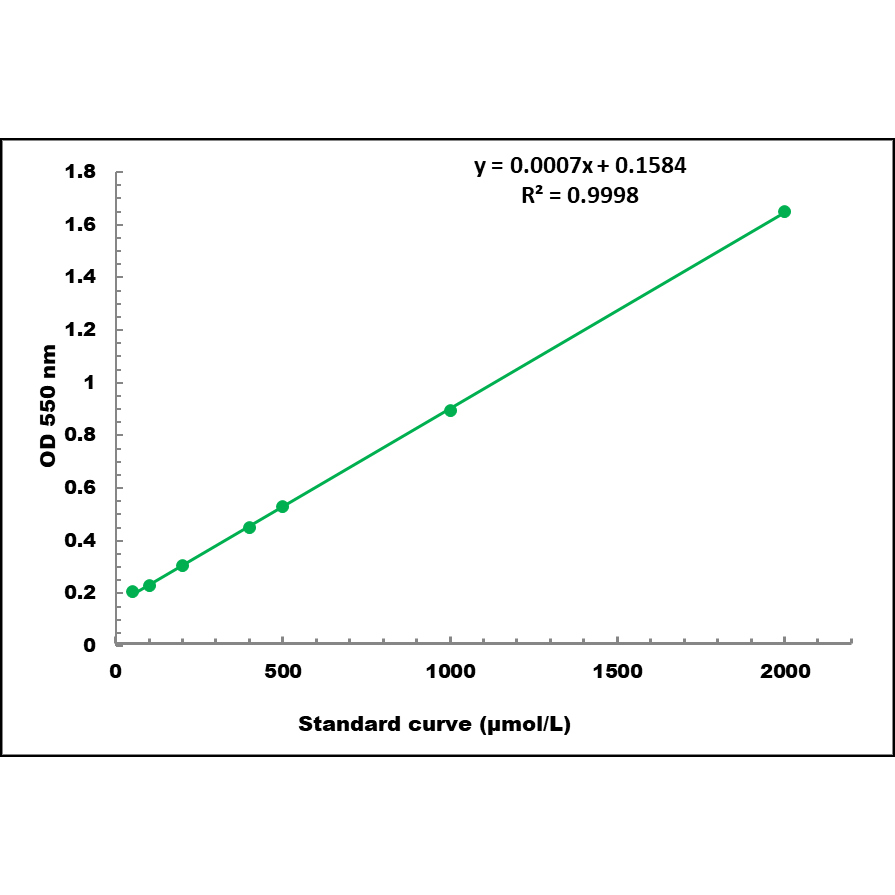
- Linear range of the standard curve:
- Standard Linearity:
- Accuracy (spiked recovery rate):
- Limit of quantitation (LOQ):
-
Brand:

CAT.NO. : ARK6646
US$ Please choose
US$ Please choose
Size:
Trail, Bulk size or Custom requests Please contact us
 Product Details
Background
CHO cells, short for Chinese hamster ovary cells, were first used in biomedical research in the 1950s. As the most representative animal cell expression system, they are widely applied in biopharmaceutical fields such as producing interferons, interleukins, EPO, monoclonal antibodies (e.g., Humira, Avastin, Rituxan), diagnostic reagents, and recombinant protein vaccines. CHO cell lines are passage cell lines that do not exhibit tumorigenicity within a certain passage range but may become tumorigenic beyond a specific passage number. Therefore, it is essential to control passage numbers, as well as the content of residual cellular DNA and proteins. Consequently, the content of CHO cell residual DNA is a critical quality control indicator for biological products.The CHO residual DNA fragment (qPCR) detection kit independently developed by AREX Biosciences can rapidly and specifically detect the size distribution of residual DNA fragments. The fragment distribution intervals include: < 100 bp, 100–200 bp, 200–500 bp, and > 500 bp. This kit is used in conjunction with our company’s "Host Cell Residual DNA Sample Preparation Kit (Magnetic Bead)".
Overview
Linear range of the standard curve | 300 pg/μL - 0.003 pg/μL |
Standard Linearity | R² ≥ 0.98;</strong>Amplification Efficiency 90% ≤ Eff (%) ≤ 110%;CV of detection values at each concentration |
Accuracy (spiked recovery rate) | 70% - 130% |
Limit of quantitation (LOQ) | 0.003 pg/μL; CV ≤ 20%; measurement deviation not exceeding |±20%|. |
Storage
The kit should be stored at -20°C or below, with a shelf life of 12 months.
Please note that any unused portions of the kit after opening should still be stored under the specified storage conditions.
Note
For Research Use Only. Not for diagnostic, therapeutics, prophylactic or in vivo use.
New Products