2SC Rabbit Polyclonal Antibody
 Datasheet
Key features and details
- Target:
- Source/Host:
- Reactivity:
- Clonality:
- Applications:
- Isotype:
- Storage:
-
Brand:

CAT.NO. : ARA6286
US$ Please choose
US$ Please choose
Size:
Trail, Bulk size or Custom requests Please contact us
 Product Details
Background
Succination is a stable post-translational modification of cysteine residues, which modifies protein function or turnover in response to a changing intracellular redox environment. Succination occurs when the Krebs cycle intermediate, fumarate, reacts with cysteine yielding S-(2-succino)cysteine (2SC). A wide range of proteins are subject to succination, including enzymes, adipokines, cytoskeletal proteins and ER chaperones and succination has been shown to have roles in regulatory biology. An increase in succination of adipocyte proteins is seen in diabetes mellitus and results from nutrient excess derived mitochondrial stress. 2SC therefore serves as a biomarker of mitochondrial stress or dysfunction in chronic diseases, such as obesity, diabetes, and cancer.
Application
To ensure optimal assay performance, AREX recommends conducting reagent titration tailored to each testing system for optimal detection results.
*Results are sample-specific. Please refer to your local assay conditions and test parameters for reference.
|
WB |
1:200 - 1:1000 |
|
IHC |
1:1000 - 1:2000 |
Overview
Immunogen | KLH conjugated S-(2-succinyl)-cysteine |
Isotype | IgG |
Purification | Crude antiserum was purified by affinity chromatography using S-(2-succinyl)-cysteine specific antigen |
Cross Reactivity | Succinated proteins |
Form/Buffer | Liquid in PBS containing 0.01% Sodium Azide and 1% Trehalose |
Data
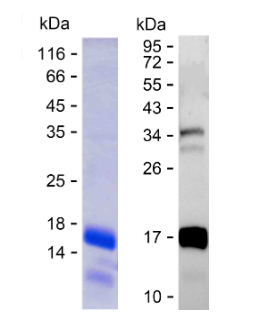
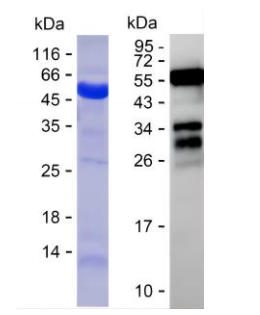
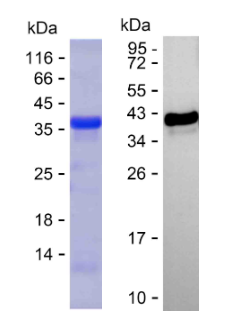
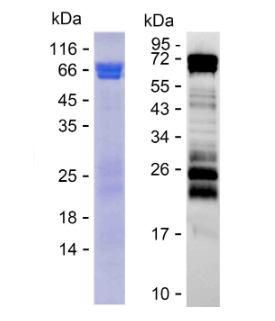
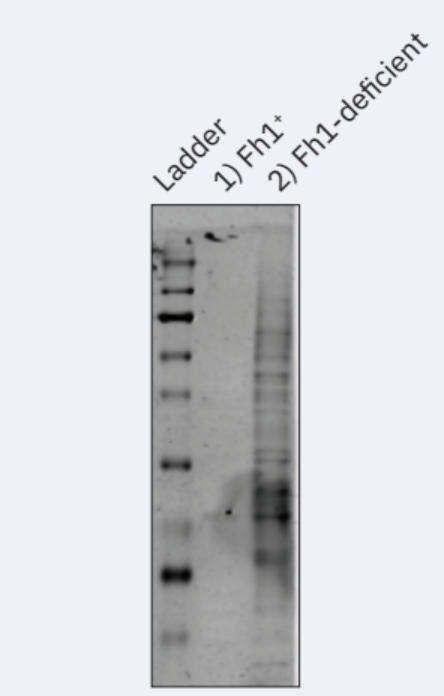
Western blot analysis of 2SC expression in cell lysates using 2SC Rabbit Polyclonal Antibody.
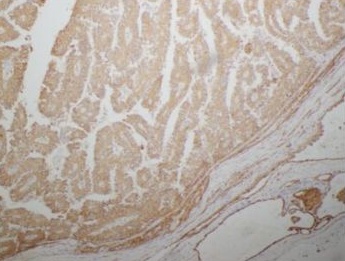
Immunohistochemical staining of hereditary leiomyomatosis and renal cell carcinoma (HLRCC) sections using 2SC Rabbit Polyclonal Antibody.
Storage
Shipped at 4°C. Store at -20°C for one year. Avoid repeated freeze/thaw cycles.
Note
For Research Use Only. Not for diagnostic, therapeutics, prophylactic or in vivo use.
FAQs
What are the main types of research antibodies and how do they differ?

Research antibodies are mainly divided into monoclonal antibodies and polyclonal antibodies. Monoclonal antibodies typically offer higher specificity and batch-to-batch consistency, making them ideal for quantitative studies, while polyclonal antibodies have higher sensitivity and are more tolerant of antigen changes, making them suitable for detecting low-abundance targets.
How can I tell if a research antibody is suitable for my experiment?
It is recommended to carefully review the product datasheet for validated applications, species reactivity, recommended dilutions, and published references. If your specific application or species is not listed, a small-scale pilot experiment is advised.
Can improper storage of research antibodies affect experimental results?
Yes. Antibodies are sensitive to temperature, repeated freeze-thaw cycles, and contamination. Improper storage may lead to reduced activity, increased background, or complete loss of function. Always follow the storage instructions on the datasheet and avoid repeated freeze/thaw cycles.
Why doesn't the recommended dilution in the datasheet work well in my experiment?
The recommended dilution is based on the supplier's test conditions. Factors such as sample type, fixation method, and detection system in your lab can influence the optimal dilution. It is best practice to perform a titration experiment to determine the optimal working concentration for your specific assay.
What precautions should I take when using a newly purchased research antibody for the first time?
It is advisable to briefly centrifuge the antibody (especially concentrated or lyophilized ones), then perform a small-scale pilot experiment using the recommended starting dilution. Record the lot number and always check the datasheet for any special handling requirements.
New Products